Ecofriendly Actions for Rental Owners: How to Make Your Property Greener?
Ecofriendly Actions for Rental Owners: Your Guide to Making Properties Greener and More Sustainable
Ecofriendly actions for rental owners is your ultimate guide to transforming your property into a greener, more sustainable space. Whether you own a house, apartment, or campsite, this comprehensive resource will provide you with practical tips and strategies to reduce your environmental footprint, attract eco-conscious tenants, and contribute positively to the planet.
Small steps, big impact!
Sometimes it’s hard to make a property 100% green, but even small contributions can help our planet become a better place. By following the advice in this guide, you can make significant improvements to your rental property, enhancing its appeal and sustainability for the long term.
Ecofriendly Actions for Rental Owners: Steps to Green Your Property
The concept of ecofriendly rentals for owners is gaining traction as both renters and property owners become more environmentally conscious. By implementing these practices, you can attract environmentally conscious renters, reduce your operating costs, and contribute to a greener future. You can even consider offering incentives for renters who actively participate in your eco-friendly initiatives.
Here’s how you can make your rental property more eco-friendly:
1. Reduce energy consumption
- Upgrade appliances: invest in energy-efficient appliances with high Energy Star ratings.
Embrace LEDs: replace traditional bulbs with LED lighting throughout the property. - Smart thermostats: Install programmable thermostats to optimize heating and cooling based on occupancy and weather. All thermostats are programmed to conserve energy when rooms or common areas are not in use.
- Save energy or reduce greenhouse gasses:
- Natural light power: encourage use of natural light by keeping windows clean and blinds open during the day.
- Outer walls, roofs and ceilings are insulated.
- Windows in guest rooms and common areas have automatic/manual sunshades.
- Pools have covers that reduce evaporation and retain heat
- All pools have variable speed heat pumps.
- Aircond: only use hydrocarbons or natural refrigerants. I.e. they use ammonium or CO2 instead of hydrofluorocarbons (HFCs).
- All lifts have a ‘stand-by’ mode: this mode must automatically turn off lighting and fans in the lift.
Why Invest in Sustainable and EcoFriendly Properties? Where and How?
2. Conserve water
- Low-flow fixtures: install all low-flow showerheads, faucets, and dual flush toilets to reduce water usage without compromising functionality.
- Water-saving appliances: consider water-efficient dishwashers and washing machines. Opt for water fountain dispenser if you have rental property.
- Reduce and manage water use:
- Landscaping with plants that thrive with minimal water.
- Rainwater is collected and used for watering land, plants and crops.
- Leak detection and repair: promptly address any leaks in faucets, pipes, or toilets to prevent water waste.
Read also: Innovative Sustainable Design: How Architects Are Pioneering New Approaches to Green Building
3. Minimize waste
- Recycling made easy: provide clearly labeled recycling bins and educate renters on proper waste disposal practices.
- Composting options: offer composting bins for organic waste, creating nutrient-rich fertilizer for gardens or local composting programs.
- Reusable supplies: consider providing reusable items like cloth towels, water bottles, and dishware to minimize single-use plastics. Avoid using plastic cups, water bottles, mini soap/shampoo bottles, stirrers, and straws.
- Manage waste: hazardous waste is safely handled and disposed of.
- Food waste policy in place: includes education, food waste prevention, reduction, recycling, and disposal
4. Sustainable living
- Eco-friendly cleaning products: Use eco-friendly cleaning products that are safe for both your property and the environment.
- Water-saving tips: provide information for renters on water conservation practices they can adopt during their stay.
- Energy-saving tips: offer tips on energy-saving behaviors, like turning off lights and electronics when not in use.
5. Promote sustainability to renters
- Highlight eco-friendly features: Advertise your property’s eco-friendly features when attracting potential renters.
- Partner with local sustainability initiatives: collaborate with local environmental organizations or farmers markets to offer discounts or amenities to renters interested in sustainable practices.
- Welcome guide with eco-tips: create a welcome guide with information on local recycling programs, eco-friendly attractions, and sustainable living tips for your renters.
6. Use renewable energy if you can
- Solar panels: install solar panels to generate renewable energy and reduce reliance on the grid.
- Solar water heaters: use solar water heaters to reduce energy consumption for heating water.
7. Transportation options
- Bike storage: provide secure bike storage to encourage cycling.
- Electric vehicle charging stations: install EV charging stations to support electric vehicle use.
8. Promote safety, equity and culture in your local community
- Have you implemented any of these practices to promote safety, equity and culture in your local community?
- Health and safety training is provided to employees; There must be a record of this. Property owners and management are considered employees for this question.
- Employee wages are monitored, reviewed and offered in line with or above average minimum wage or the national living wage. Property owners and management are considered employees for this question.
- Invest a percentage of revenue back into community projects or local sustainability projects. This can be a financial investment.
- Offer tours and activities organized by local guides and businesses.
- Offer local artists a platform to display their talents. E.g. hanging their art on the walls of the reception / lobby area.
- Provide guests with information regarding local ecosystems, heritage and culture, as well as visitor etiquette.
9. Additional considerations for specific property types
- Homes and apartments: encourage sustainable landscaping with drought-resistant plants and efficient irrigation systems. Use native plants that require less water and maintenance. Native species support local ecosystems and may require less water. Invasive species can cause harm to native species.
- Camping rentals: promote “Leave No Trace” principles and offer reusable camping gear rentals.
Living Greener: Rent Smarter with Eco-Friendly Practices at Le Ciel Hospitality
10. Reduce impact on the natural environment
- Only using cleaning products that do not harm the environment throughout their lifecycle
This includes the packaging of the cleaning products. - Only offering toiletries in guest rooms that do not harm the environment throughout their lifecycle
This includes the packaging of the toiletries. - All seafood is caught in a way that protects habitats and threatened species, and leaves enough fish in the ocean.
- Have some green spaces, such as gardens, rooftop gardens, or even some potted plants on the balcony, to help improve air quality, provide a relaxing environment, and support local biodiversity.
Conclusion
In conclusion, implementing ecofriendly actions for rental owners is not only beneficial for the environment but also enhances the appeal and value of your property. By taking simple steps such as improving energy efficiency, conserving water, using sustainable materials, and promoting recycling, you can create a more sustainable living space that attracts eco-conscious tenants.
Every small gesture counts, and together, these efforts contribute to a healthier planet and a more responsible rental community. Start today and make a positive impact with ecofriendly actions for rental owners.
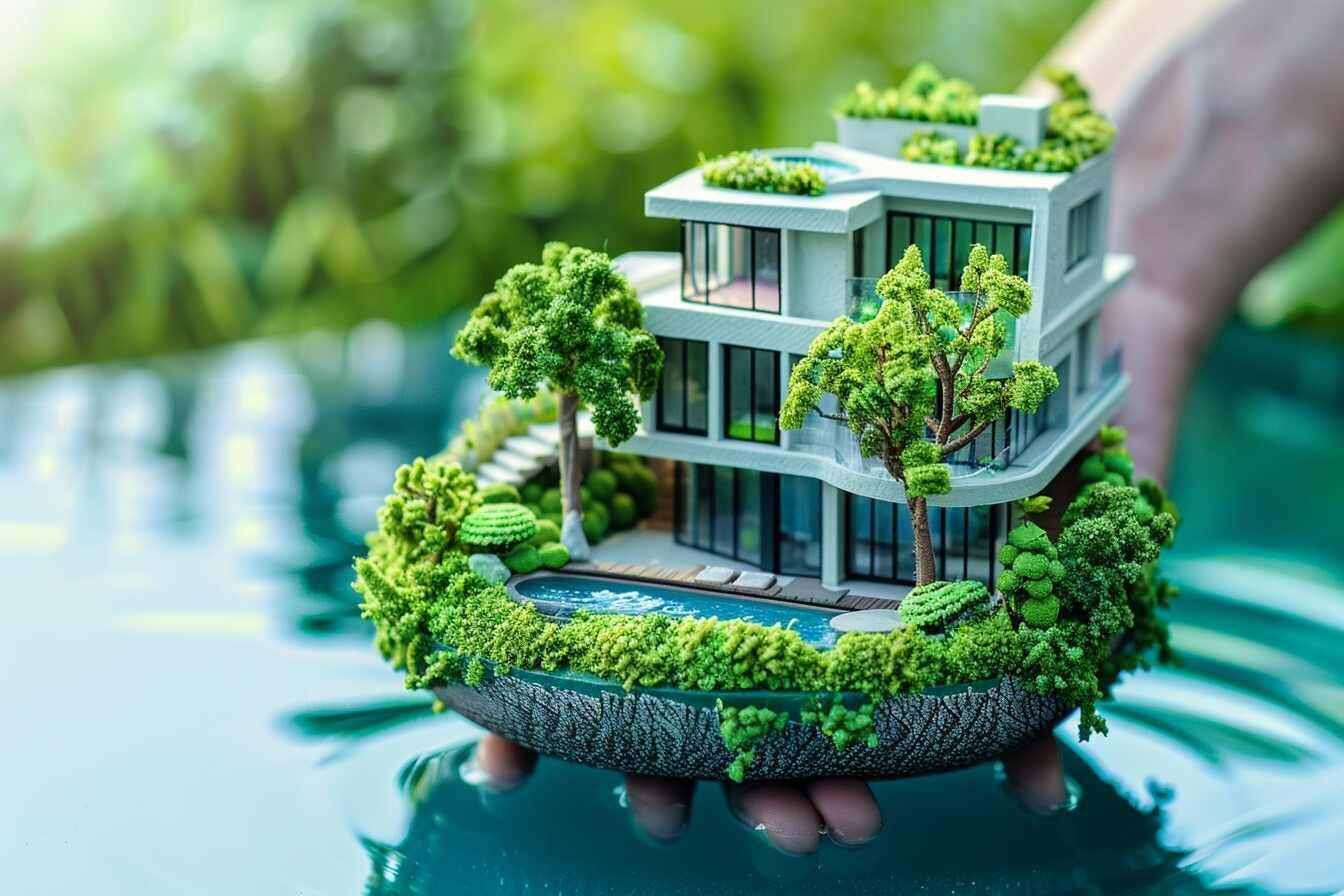
Photo powered by Midjourney
Exploring the Growing Interest in Sustainable and EcoFriendly Properties
Related Post

Tips For Selling Your Home
Tips for selling your home well and how to sell a house showing signs of [...]
Tips for First Time Homebuyers | Buying with peace of mind
Here are our tips for first time homebuyers and recommendations to help you with your [...]
Exploring the Growing Interest in Sustainable and EcoFriendly Properties
Sustainable and ecofriendly properties can provide a range of benefits to homeowners, including lower energy [...]
How to improve hotel ADR, OR, RevPAR, ALOS, TrevPAR, MPI, RGI, Capture Rate
Mastering the Metrics: How to improve hotel ADR, OR, RevPAR, ALOS, TrevPAR How to improve [...]