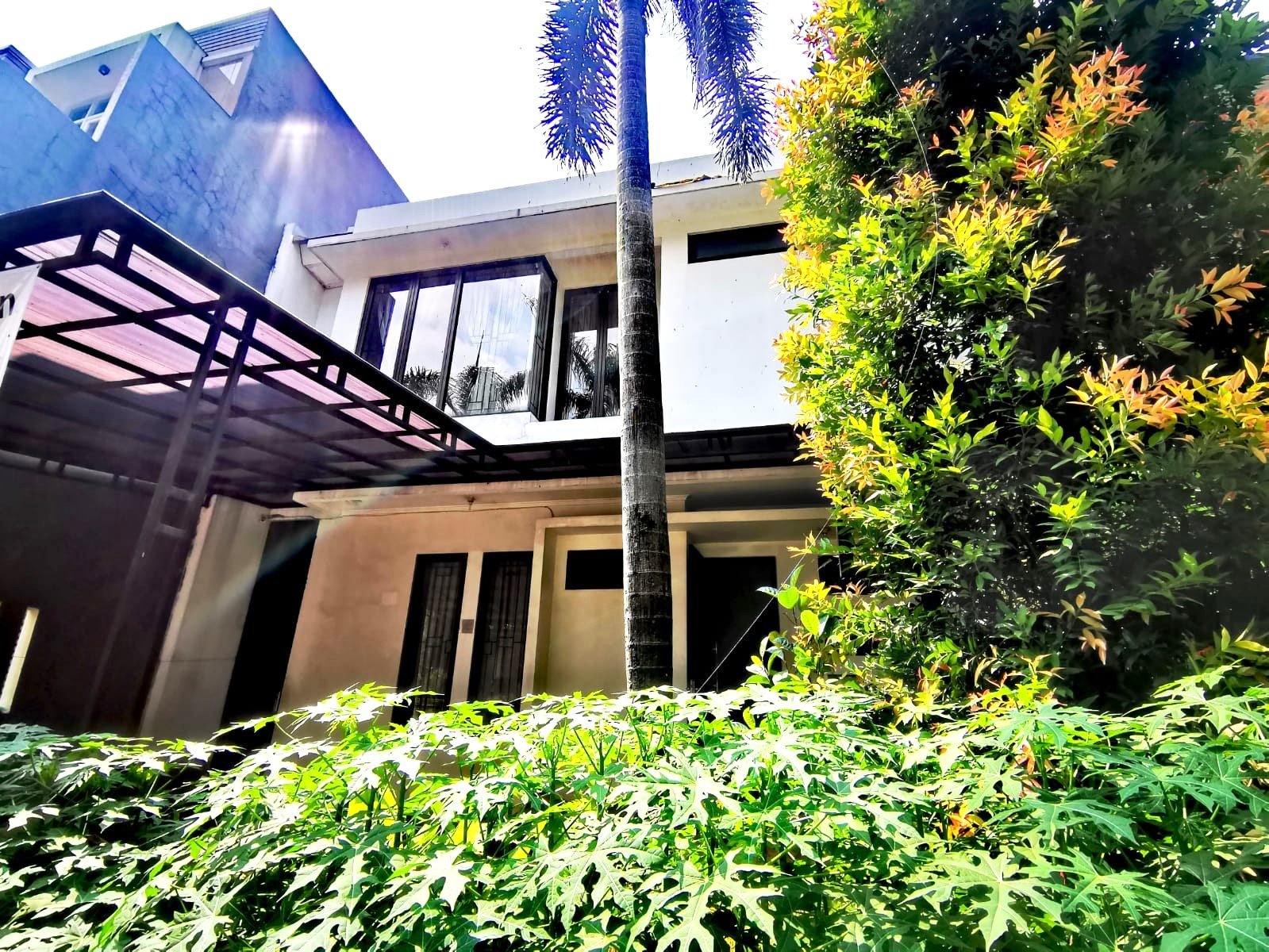
Pros and Cons of Renting vs Buying a Home: Which is Right for You?

Pros and Cons of Renting vs Buying a Home
Understanding the pros and cons of renting vs buying a home is essential before making one of the biggest financial decisions of your life.
While renting offers flexibility and lower upfront costs, buying can build equity and long-term wealth.
However, the right choice depends on your timeline, income stability, lifestyle, and risk tolerance.
Quick Comparison: Renting vs Buying
| Factor | Renting | Buying |
|---|---|---|
| Upfront Cost | Low (deposit + rent) | High (down payment + closing costs) |
| Flexibility | High | Lower |
| Maintenance | Landlord | Owner |
| Equity | No | Yes |
Pros of Renting a Home
1. Flexibility
Renting makes relocation easier. Therefore, if your career or lifestyle may change within a few years, renting reduces long-term commitment.
2. Lower Upfront Costs
Renters usually pay only a security deposit and the first month’s rent. In contrast, buying requires a down payment, closing fees, and additional setup expenses.
3. Reduced Maintenance Responsibility
Most structural repairs and maintenance are handled by the landlord. As a result, renters face fewer unexpected repair costs.
Cons of Renting a Home
1. No Equity Building
Monthly rent does not build ownership. Consequently, you do not benefit from property appreciation.
2. Rent Increases
Over time, rent may rise with inflation and market demand. Therefore, long-term budgeting can become less predictable.
3. Limited Personalization
Major changes or renovations usually require landlord approval.
Pros of Buying a Home
1. Equity and Wealth Creation
Each mortgage payment builds ownership. Additionally, property appreciation can increase your net worth over time.
2. Stability
A fixed-rate mortgage offers predictable monthly payments, which protects against rent inflation.
3. Full Control
Homeowners can renovate, customize, and upgrade without landlord restrictions.
Cons of Buying a Home
1. High Initial Investment
Down payments, closing costs, and fees require substantial upfront capital.
2. Maintenance and Repair Costs
Owners are responsible for all repairs. Therefore, budgeting for maintenance is critical.
3. Reduced Mobility
Selling a property takes time and depends on market conditions.
5-Year Financial Example: Renting vs Buying
Assumptions:
- Rent: $1,500/month
- Home price: $300,000
- Down payment: 20%
- Mortgage rate: 3.5%
- Appreciation: 3% annually
Renting over 5 years: $90,000 total payments (no equity)
Buying over 5 years: ~$84,660 payments + potential equity growth
Although buying may build equity, it requires capital and risk tolerance. Meanwhile, renting offers simplicity and liquidity.
Which Option Is Right for You?
Renting may be better if:
- You plan to move within 3–5 years
- You prioritize flexibility
- You want lower upfront costs
Buying may be better if:
- You plan to stay long-term
- You want to build equity
- You have stable income and savings
Photo credit: PIRO4D via Pixabay
Ready to Decide?
Whether you’re renting or buying, the right property depends on your goals.
Explore the best options available now.
Related Post

Investing in real estate in Italy: What opportunities?
Investing in real estate in Italy: What opportunities? The idea of investing in real estate [...]
Innovative Sustainable Design: How Architects Are Pioneering New Approaches to Green Building
Innovative sustainable design is a creative and forward-thinking approach to architecture that seeks to minimize [...]
Living Greener: Rent Smarter with Eco-Friendly Practices at Le Ciel Hospitality
Living Greener: Eco-Friendly Rental Practices with Le Ciel Hospitality At Le Ciel Hospitality, we believe [...]
Understanding Profit and Loss Statements for International Property Investments
Maximizing your international property investment requires understanding and tracking your financial performance through accurate Profit [...]